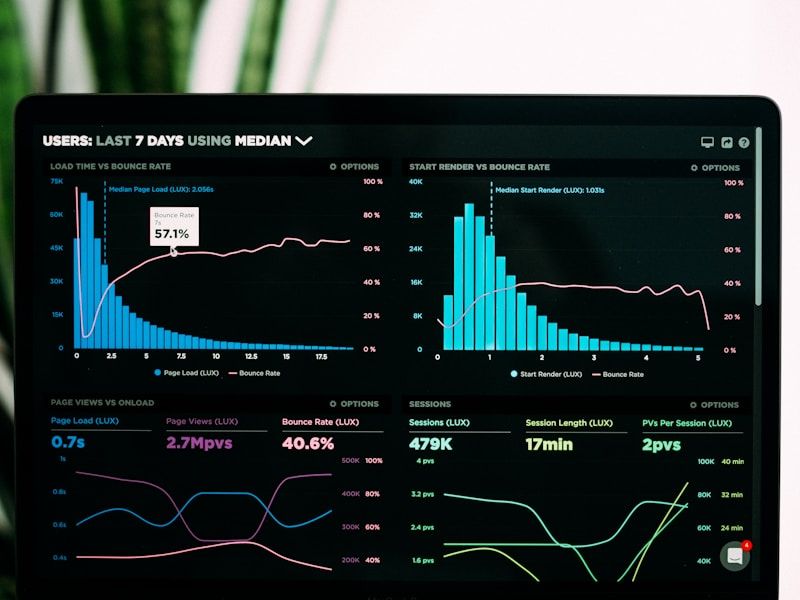

One of the biggest challenges growing companies face is fragmented data systems. Different teams rely on disconnected tools, leading to inconsistent insights and slow decision-making.
This is where the modern data stack becomes critical. It provides a unified, scalable foundation that enables real-time access to reliable data across the organization.
Why Traditional Systems Fail
Traditional systems were built for batch processing and cannot support the speed required in today’s environment. Modern data stacks are designed for real-time data flow, cloud scalability, and seamless integration.
What High-Growth Companies Do Differently
- Focus on Real-Time Data: Prioritize instant processing instead of delayed batch updates.
- Build Cloud-Native Architectures: Adopt scalable infrastructure that grows with demand.
- Unify Data Sources: Centralize all customer, operational, and financial data.
- Enable Self-Service Analytics: Allow teams to access insights without technical bottlenecks.
- Invest in Data Governance: Ensure trust in insights through strong quality frameworks.
The Execution Framework
- Define core business metrics
- Centralize data into a unified platform
- Implement real-time data pipelines
- Enable analytics and reporting layers
- Continuously optimize performance
Conclusion
Companies that build a strong modern data stack early gain a lasting competitive advantage, moving from reactive reporting to proactive decision-making.